
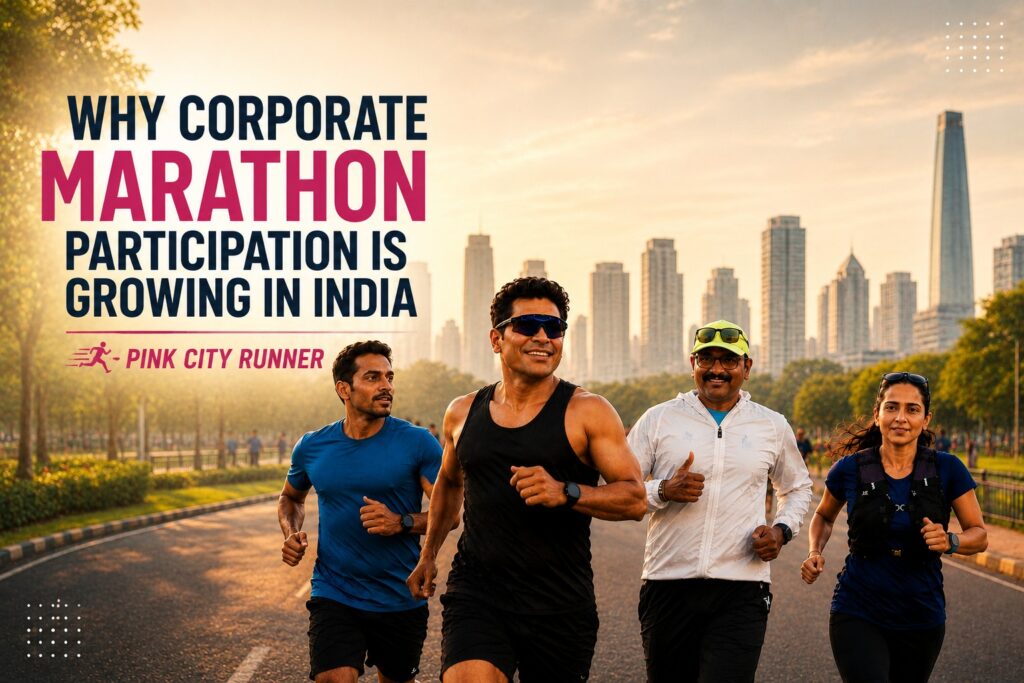
Today, if you strolled through the starting line of any large Indian marathon, you would easily see them; they would be in groups of people wearing the same company-branded t-shirts who would be cheering for each other instead of just themselves. The once-unusual exercise program has morphed into a workplace craze as more companies are getting on board with marathon training in Jaipur and other city-based programs as part of their wellness initiatives. The real issue is why this adjustment is occurring at this time.
Burnout Has Become a Business Problem
After all, the thing that is now being faced by corporate India is that burnout is not a personal problem but a business cost. Stress-related absenteeism and employee turnover have risen with the pressure on targets, constant screen time, and long hours. Running has been proven to be a low-cost, high-impact solution that businesses are willing to invest in:
Fewer sick days – regular cardiovascular activity strengthens immunity and reduces stress-linked illness.
Sharper performance – endorphins released during running improve focus and decision-making at work
Stronger teams – shared training builds trust that outlasts any single race
Better retention: 0 employees are more likely to stay loyal to companies that visibly invest in their well-being.
In the past, these bonds were established at work. These bonds were formed at work in the past.
Traditional team-building activities like trust falls, escape rooms, and weekend retreats are usually not a reflection of the fun but are soon forgotten. Marathon training does not have the problem. It unfolds over days and weeks as colleagues are required to be present regularly, push one another through difficult times, and share in the successes. It often translates into more solid working relationships when everyone is back at their desk.
From Off-Sites to On-the-Road Bonding
This corporate trend is not possible without a parallel increase in accessible, day-to-day running communities. This was the case in Jaipur, a good example of a city where there was no real structured group running 10 years ago. Today, a morning running group in Jaipur provides working professionals with a dependable and social platform to work out before the morning commute, in the quiet of early morning before the roads are too sweltering to run on and before meetings are held.
One of the more prominent entities to benefit from this transition is Pink City Runners, which has created a structured and accessible environment for novices and experienced runners alike to train together without being intimidated by the latter. Inclusiveness is important – 80% of people who drop out of a training plan do so in the first fortnight, and having a group to answer to is tangible.
Employers Are Footing the Bill
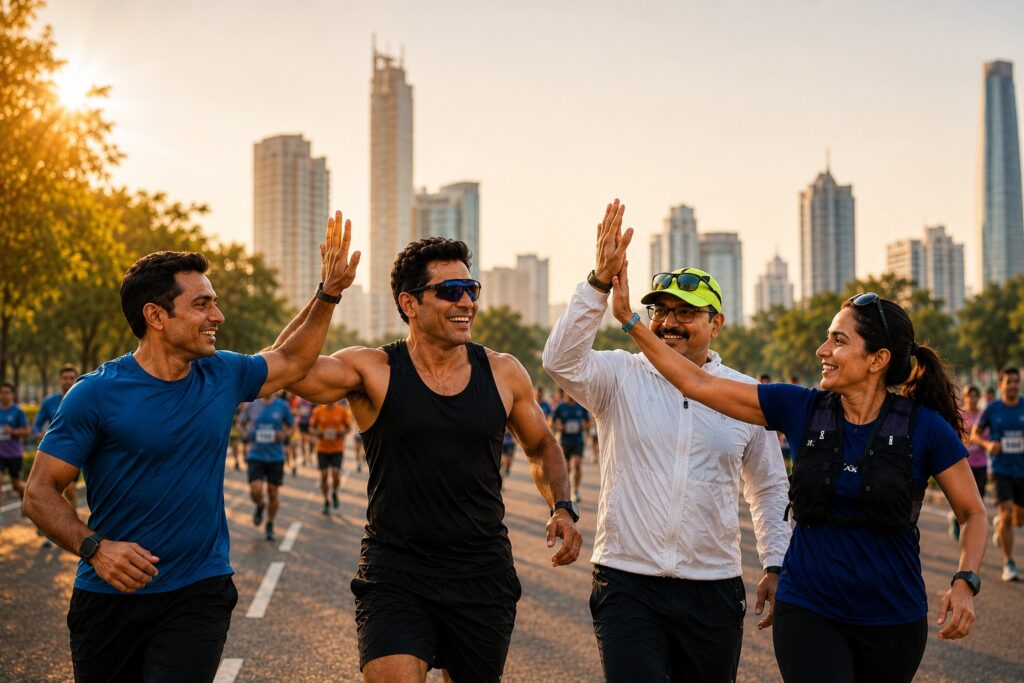
The dedication is not limited to encouragement. These days, many companies pay entry fees for running the race, provide branded running kits, and organize professional coach-led marathon training in Jaipur classes for interested employees. Others even conduct pre-race nutrition briefings or post-race recovery sessions. This is not an “actively healthy” approach to wellness; this is a true investment in the potential of a healthier, less stressed employee.
Conclusion
With more corporate marathons taking place, more Indian cities toying with safer roads, running tracks, and organized local groups like a Morning Running Group Jaipur, the number of corporate marathons will continue to rise. There are few workplace programs that have a single well-defined endpoint, one in which employee morale is improved, healthcare costs are reduced, and team culture is strengthened, all in one Sunday morning run.